01 / 09
Omak The Khaas Resort, Corbett
You arrive expecting a hotel and find a village instead — stone paths, water you can hear before you see it, rooms tucked into the trees. Omak The Khaas is a 2.25-acre eco-resort outside Corbett where the luxury is everything that isn't there: no glass tower, no noise, no rush.
PROJECT OVERVIEW
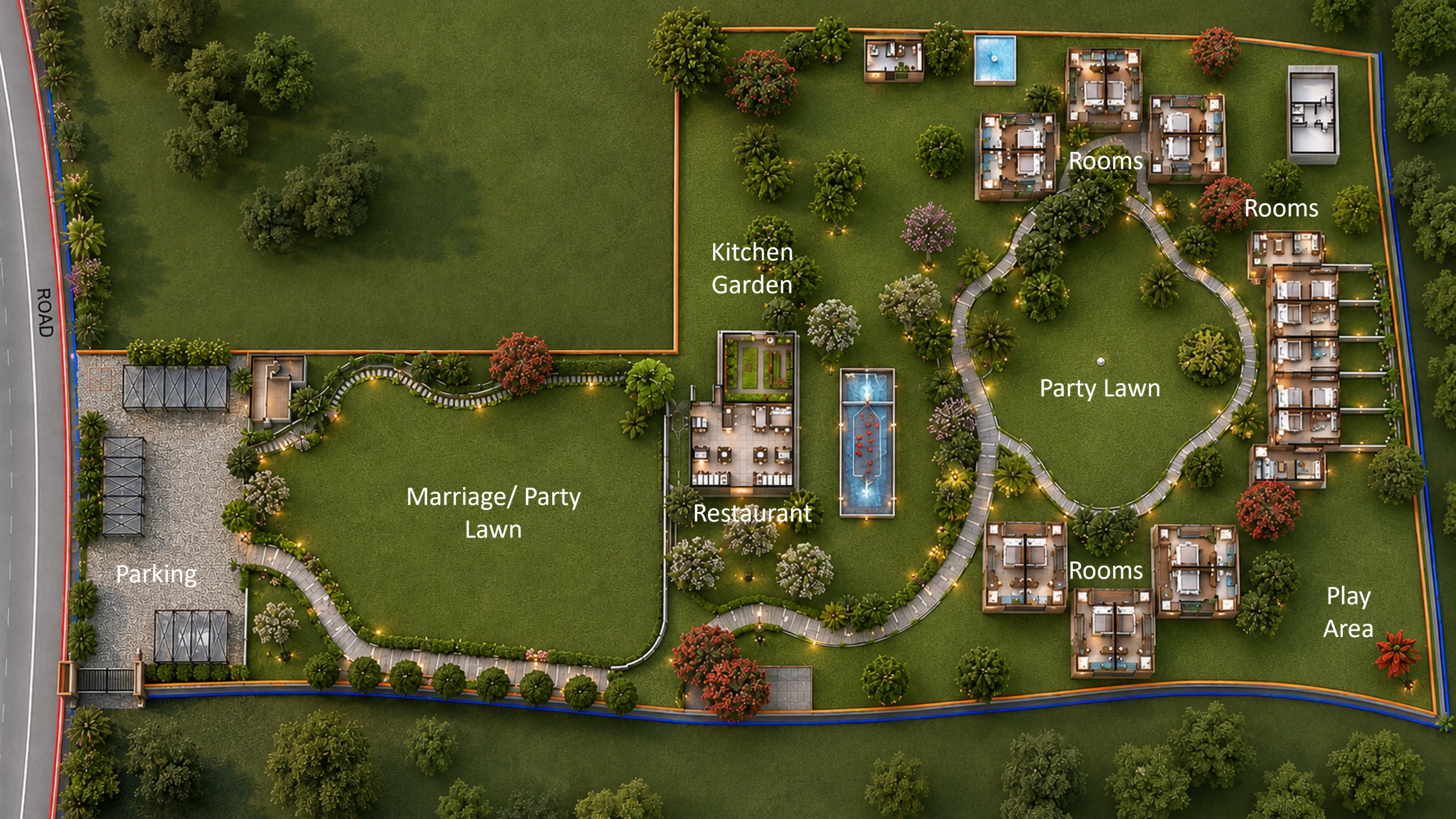
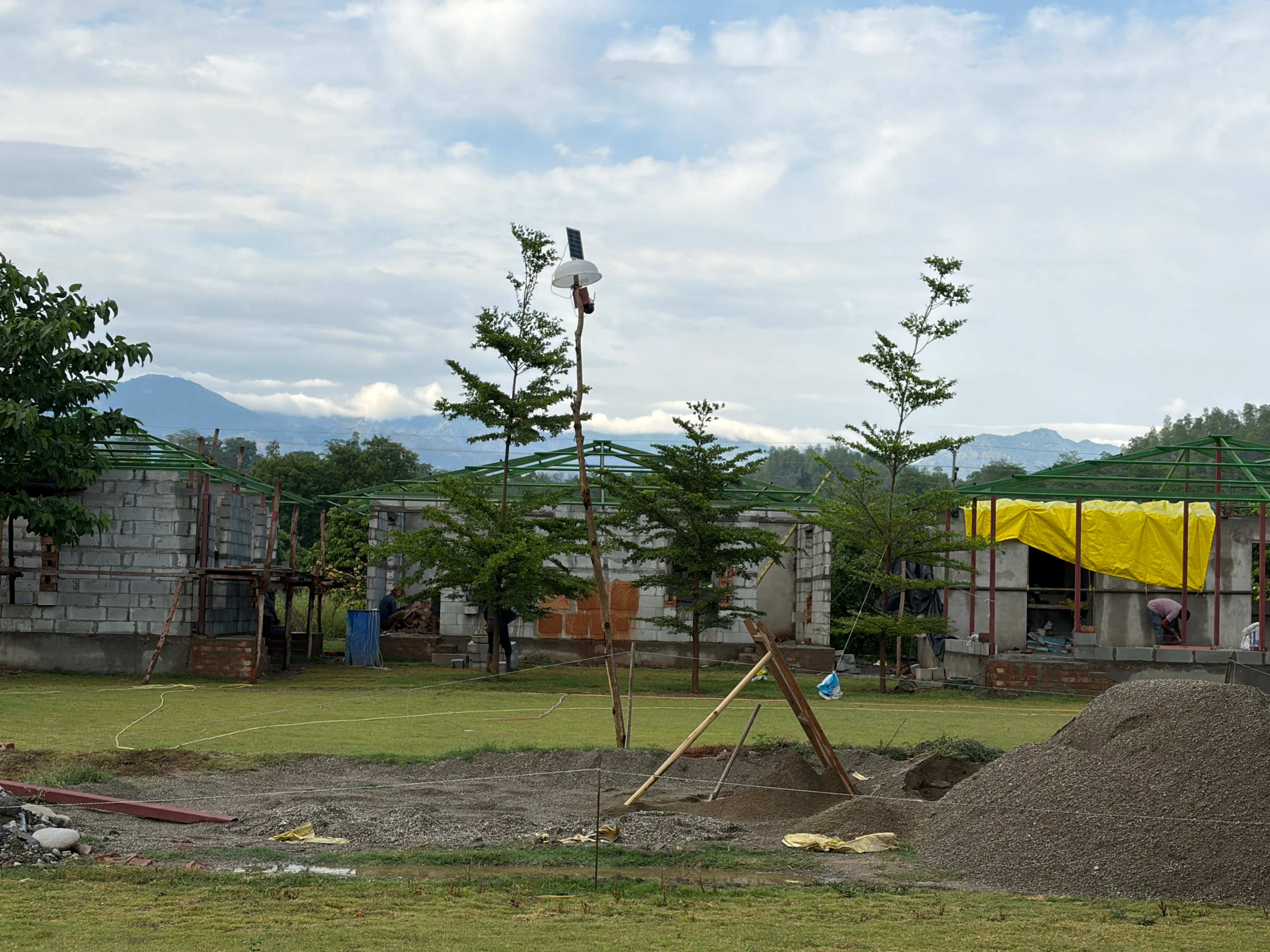
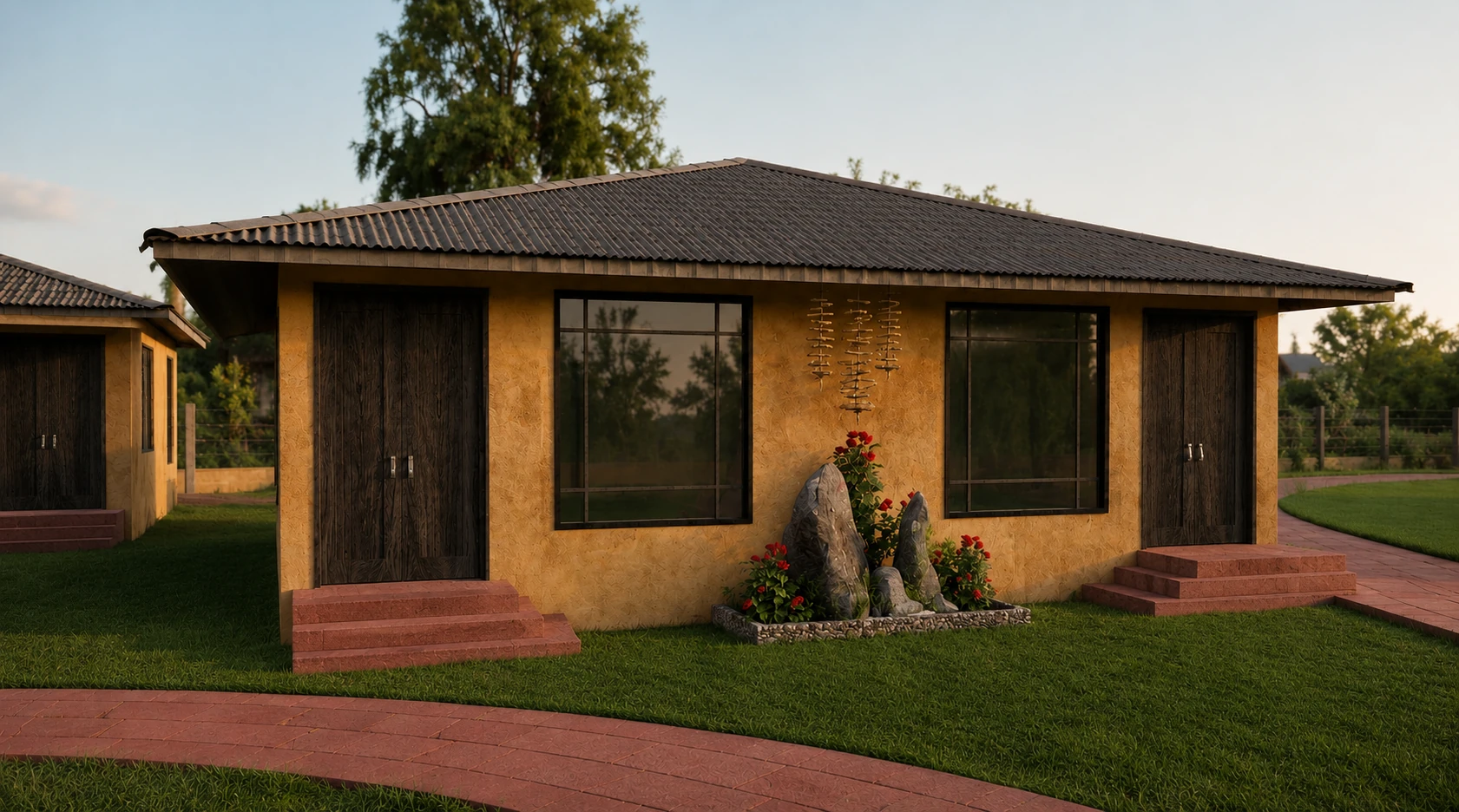
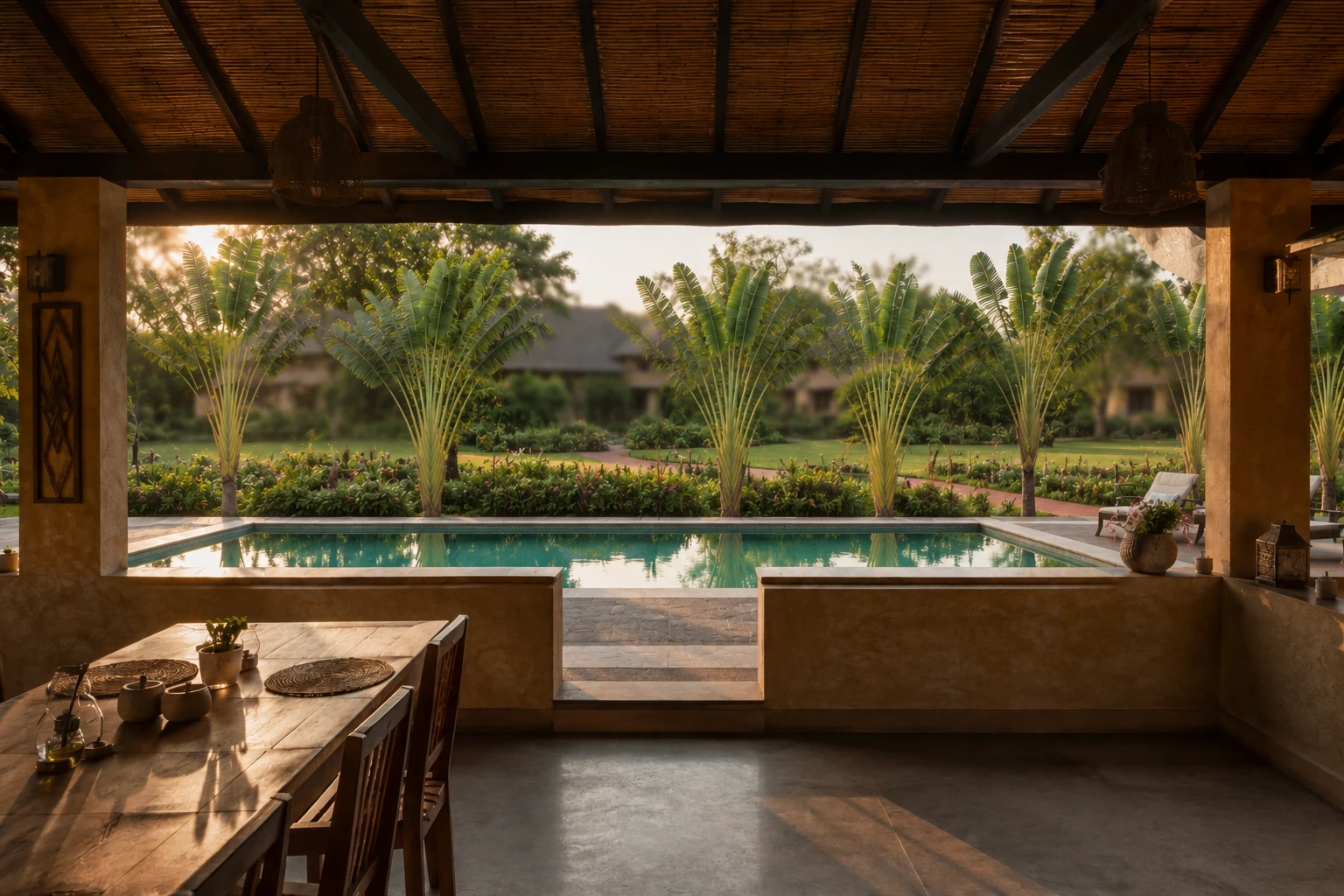
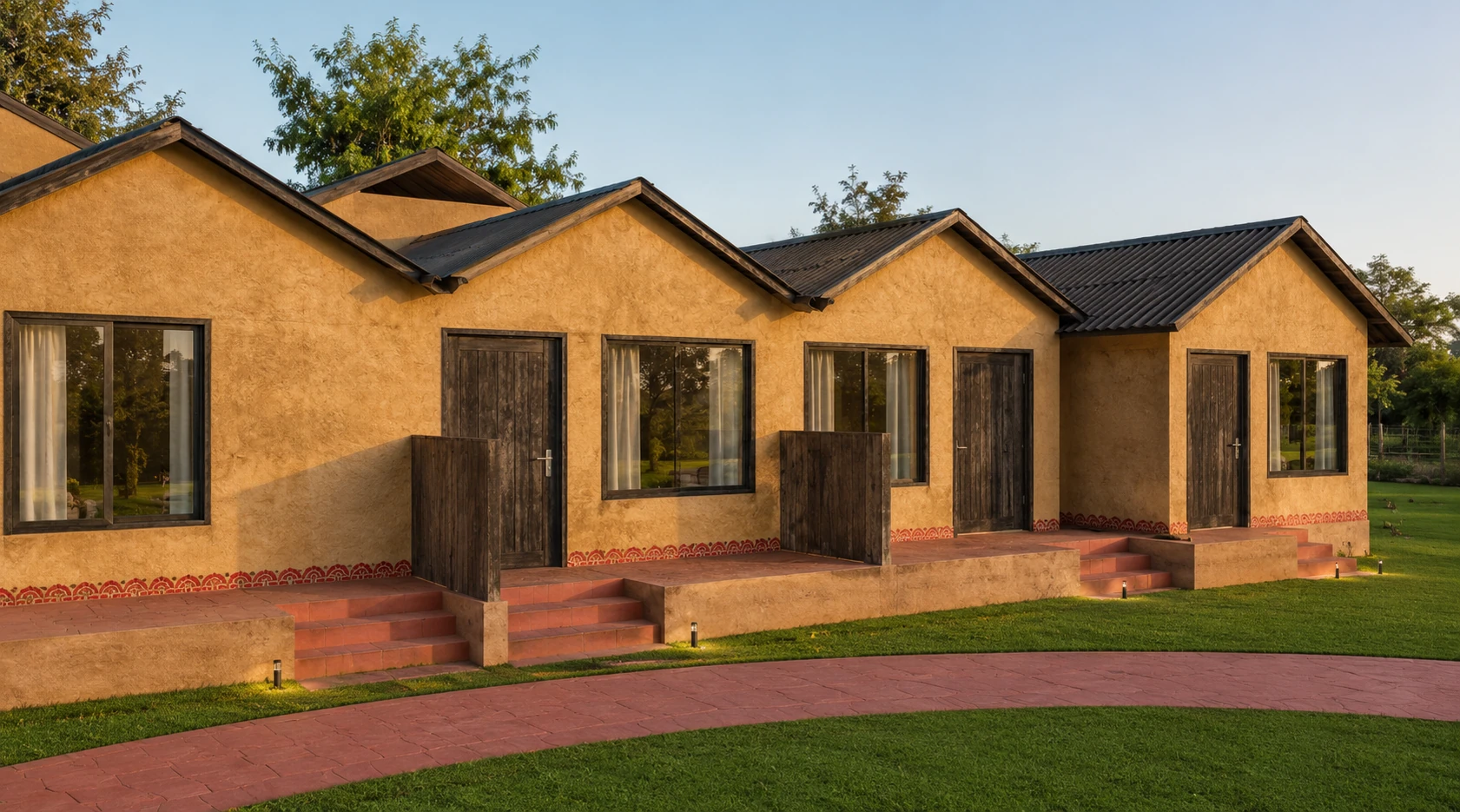
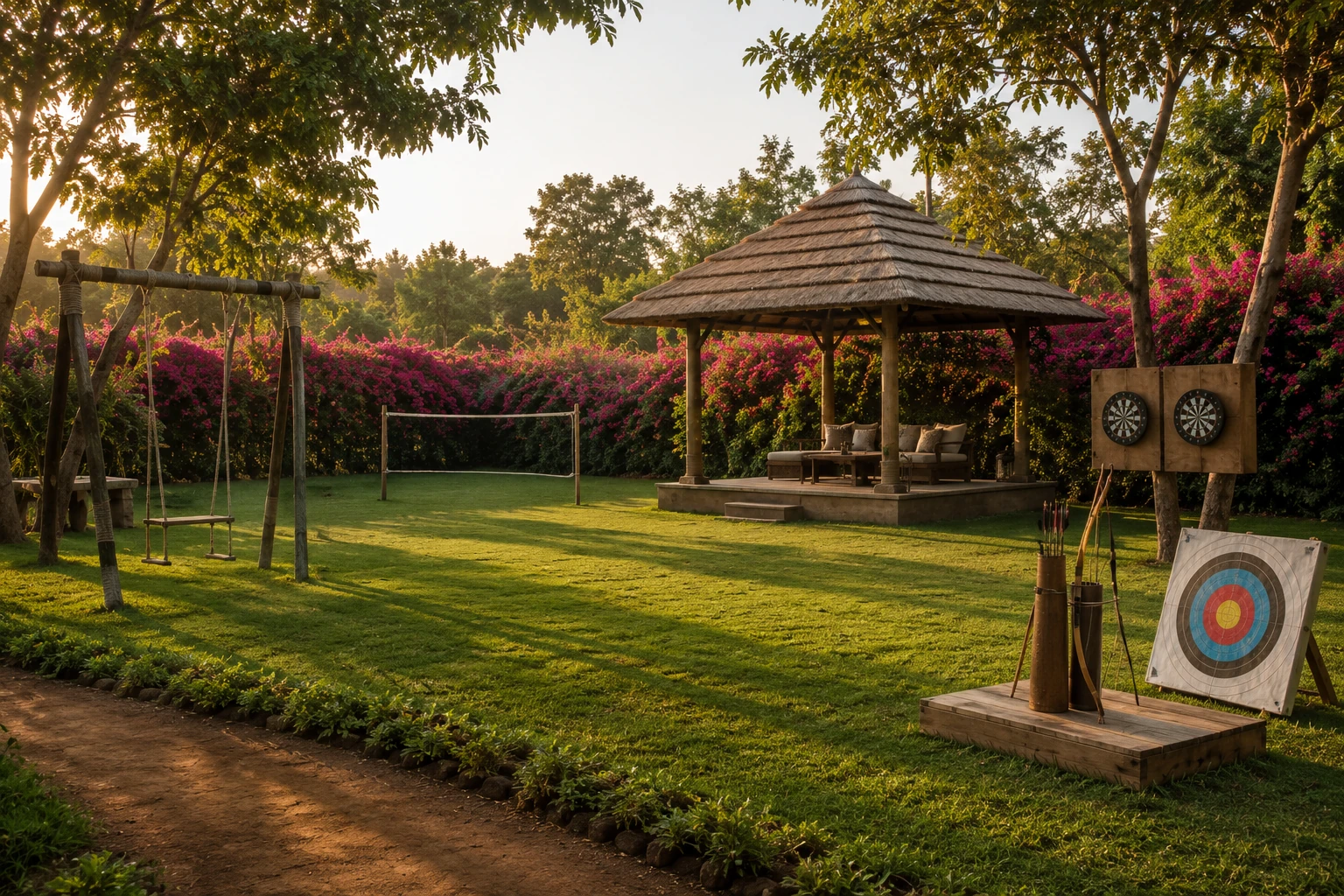
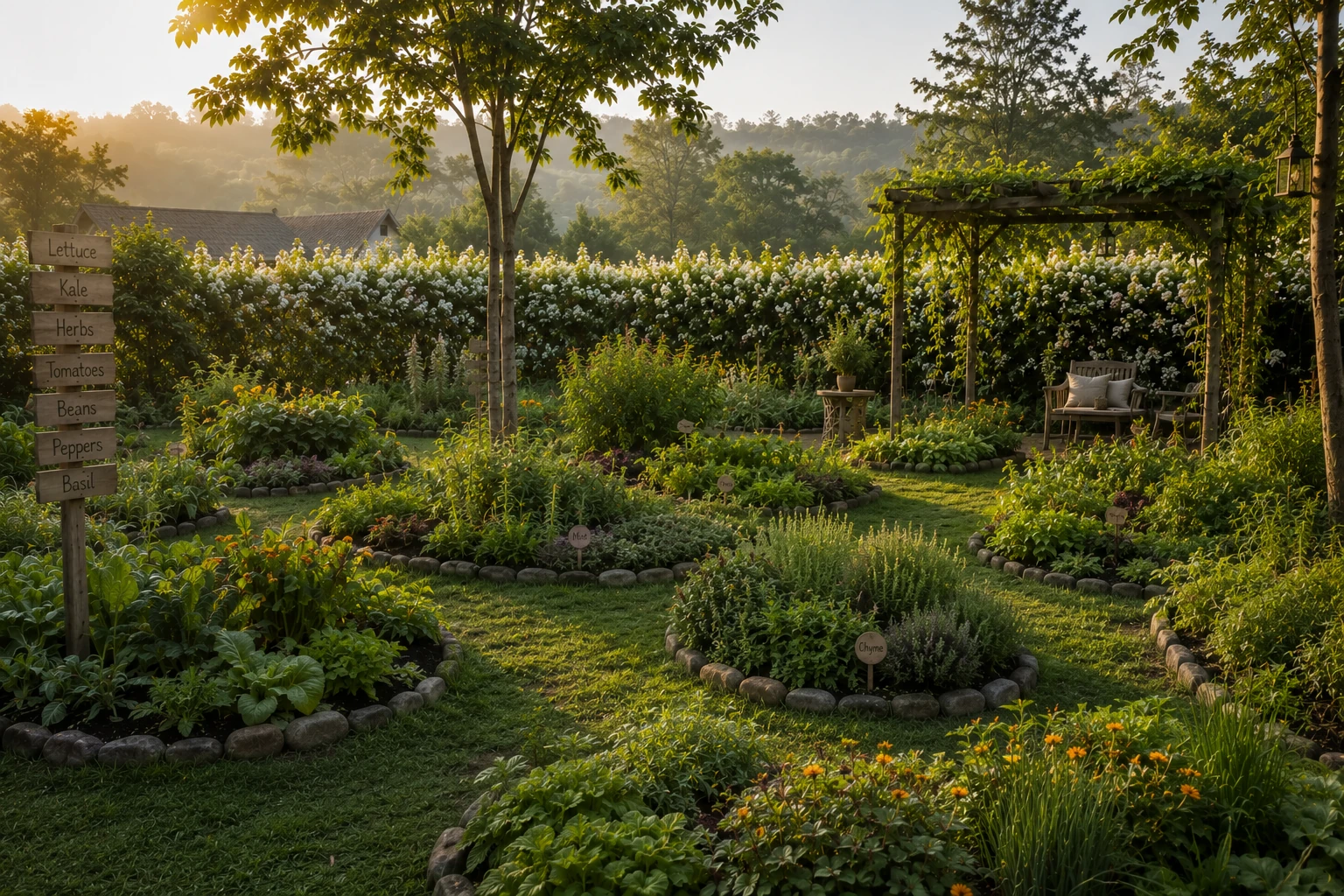
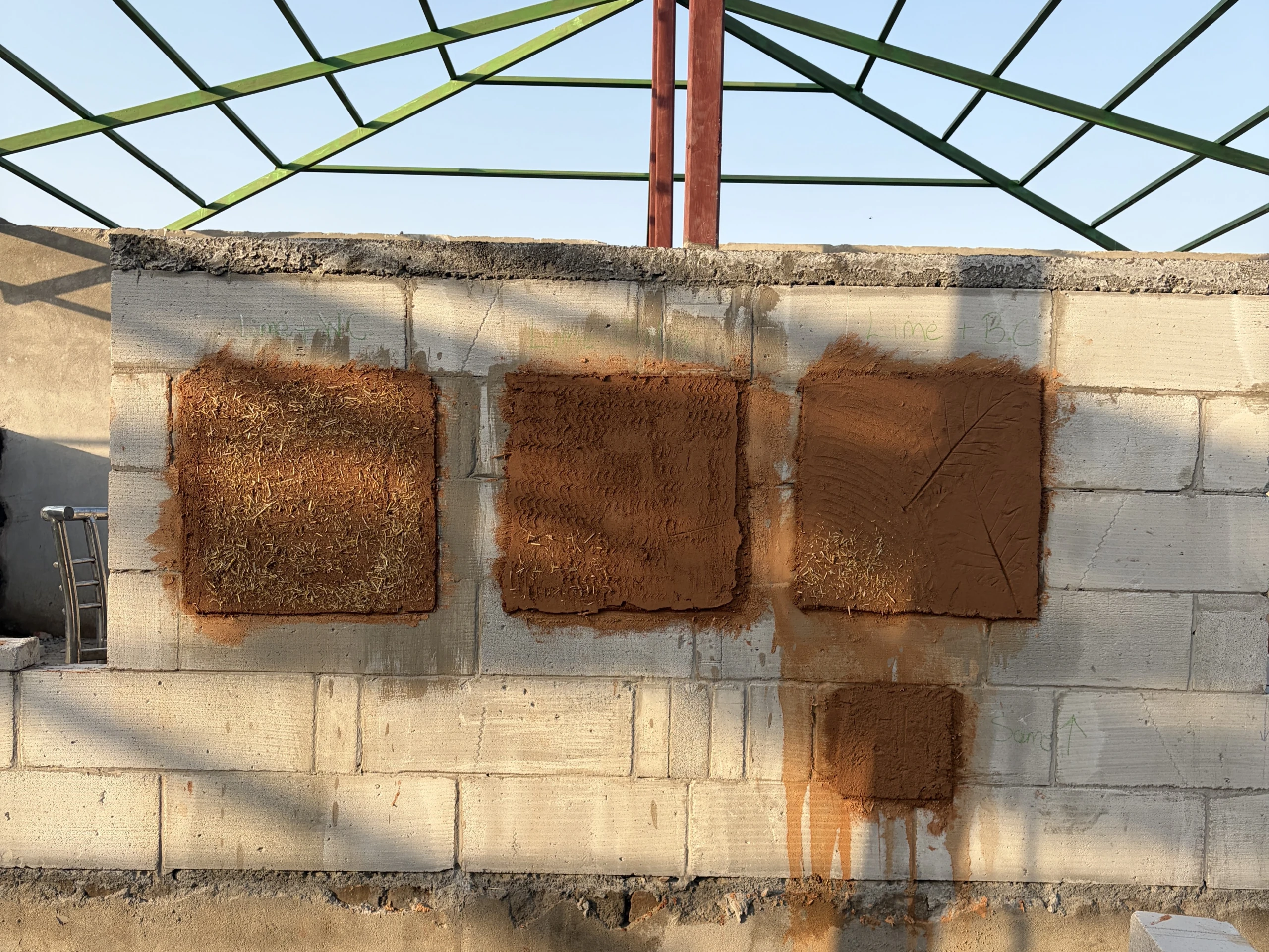
The owners came to Sanya Casshyap with a piece of forest on the edge of Corbett and a fear most resort clients share but rarely say out loud: that building a destination here would mean flattening the very thing people come for. They had seen what happens when hospitality lands on a wild site — the bulldozed clearing, the concrete block with a forest view bolted to the brochure. They wanted the opposite. They wanted guests to feel they had been let into the woods, not walled off from them. So the concept is a single, stubborn idea: this is not a resort that sits on the land — it is a village made of the land. Instead of one building, the 2.25 acres are broken into small clusters of cottages, each turned toward its own pocket of green and water, linked by winding stone trails the way lanes link houses in a hill village. You don't check into a lobby and ride a lift to a numbered door; you walk, you pause, you discover, and the resort reveals itself one quiet turn at a time. The material strategy is what makes the architecture disappear. Almost every surface is drawn from the ground it stands on. The cladding is river stone lifted from the local beds, so the buildings wear the same grey-and-ochre coat as the streambanks around them. Walls are hand-applied mud plaster — it breathes through the monsoon, holds the cool of the night into the morning, and softens every edge so nothing looks machined. Floors are kaawi and cement, slate and Kota stone, cool underfoot in the Terai heat and tougher each year. Bamboo lines the ceilings and screens. The few things that had to be modern — structural reinforcement against seismic load, solar power threaded through the whole site — are tucked out of sight so the eye only ever meets earth, stone, wood and water. The landscape is engineered to look like no one engineered it. Trails curve to slow you down, courts open into shade just when the path heats up, and water is placed so you hear it before you find it. Passive cooling — cross-ventilation, the thermal mass of stone and mud, deep shade — does the work an array of air conditioners would otherwise do, keeping the cottages comfortable through 40-degree summers with a fraction of the energy. What the guest is left with isn't a list of features. It's a feeling of having slowed to the pace of the forest — the kind of quiet you can't manufacture, only protect. That, more than any amenity, is what Omak sells, and it is built into every stone of the place.
PROJECT GALLERY
Challenges
- The owners wanted a destination resort on a wild Corbett site without bulldozing the forest that gives the place its value.
- The Terai climate swings from 40-degree summers to a heavy monsoon, so comfort had to come without a wall of air conditioners.
- Natural, local materials like mud plaster and river stone had to survive heat, rain and seismic load over decades.
- Guests had to feel immersed in the forest, not processed through a hotel of corridors and numbered doors.
Solutions
- Broke the programme into small cottage clusters along stone trails so the buildings tuck into the trees instead of clearing them.
- Used the thermal mass of stone and mud, deep shade and cross-ventilation for passive cooling that holds comfort through the hottest months.
- Paired vernacular techniques — river-stone cladding, breathing mud plaster, kaawi floors, bamboo — with hidden modern reinforcement for durability.
- Threaded solar power and concealed services through the site so guests only ever see earth, stone, wood and water.
TESTIMONIALS
Private Client
Founder, Omak
“We were terrified of becoming another concrete block with a forest view. Sanya gave us the exact opposite. Guests keep telling us it feels like we just made the woods a little more comfortable and otherwise left them alone. That is precisely what we wanted to sell.”